Viewers Corner News | Nigerian Political News & Analysis

Economy

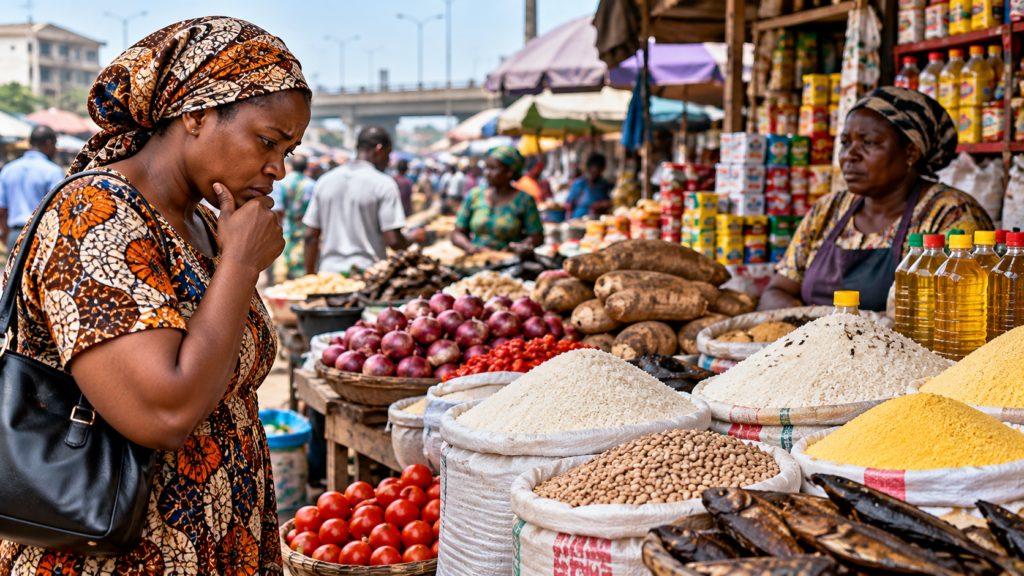
Nigerian market trader displaying food produce amid rising living costs and the government's single-digit inflation target

Single-Digit Inflation by 2027? Tinubu’s Government Must Publish the Roadmap

President Bola Ahmed Tinubu’s government wants Nigerians to believe that single-digit inflation is within reach before the end of 2027. Finance Minister Taiwo Oyedele has announced the target, linking lower inflation to the possibility of reduced interest rates, cheaper borrowing and stronger economic growth. But Nigerians have heard enough economic targets. What they need now

Single-Digit Inflation by 2027? Tinubu’s Government Must Publish the Roadmap Read More »
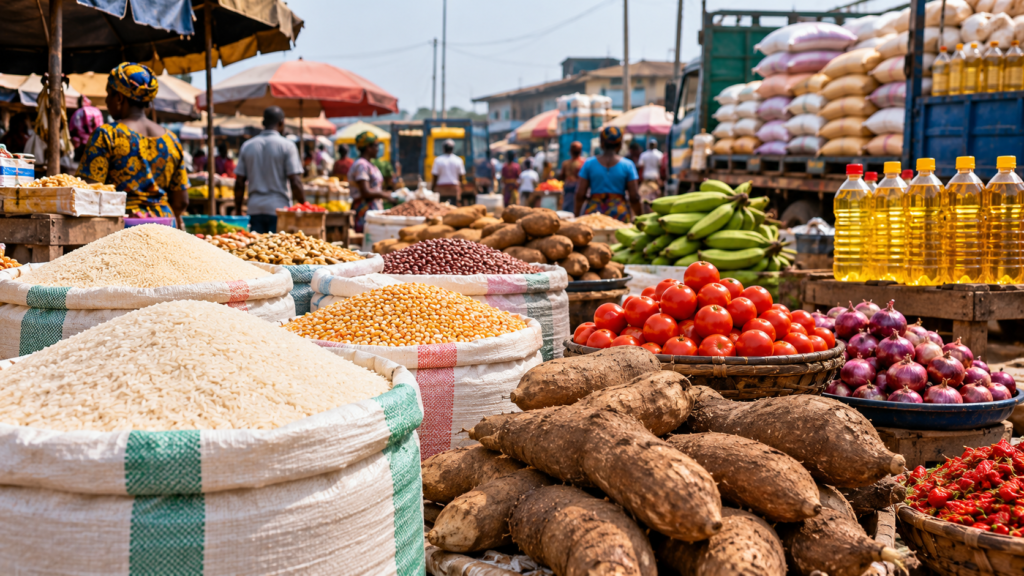
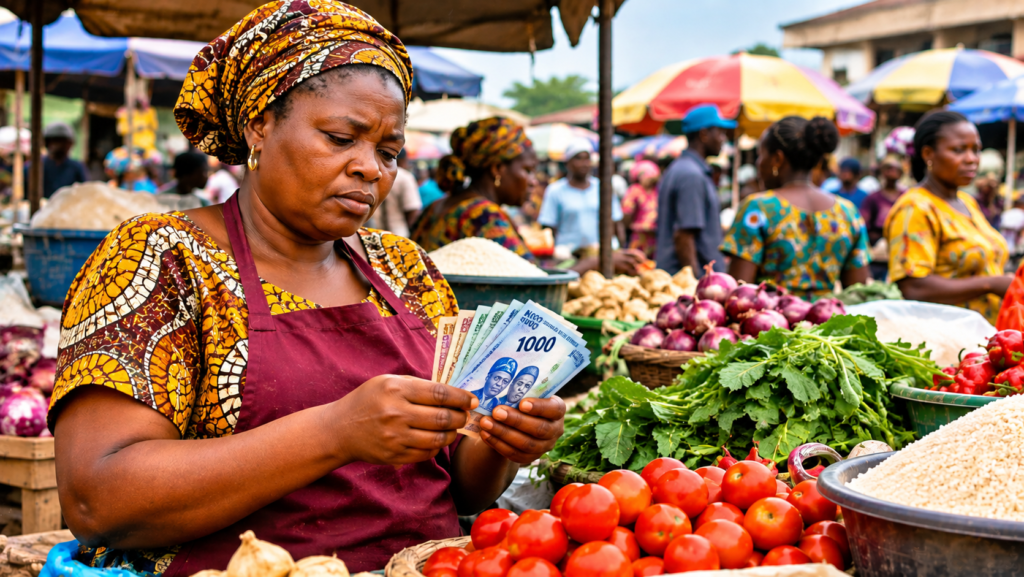
Nigerian food market with staple food produce representing the impact of rising global commodity prices on household costs

World Bank Forecasts 23% Commodity Price Surge. Is Nigeria Ready for Another Cost-of-Living Shock?

The World Bank Group has forecast that global commodity prices will rise by 23 per cent in 2026 as conflict, shipping disruptions and weather risks put pressure on energy, food and other essential inputs. The forecast includes a projected 32 per cent increase in energy prices. Brent crude is expected to average about $91 per

World Bank Forecasts 23% Commodity Price Surge. Is Nigeria Ready for Another Cost-of-Living Shock? Read More »

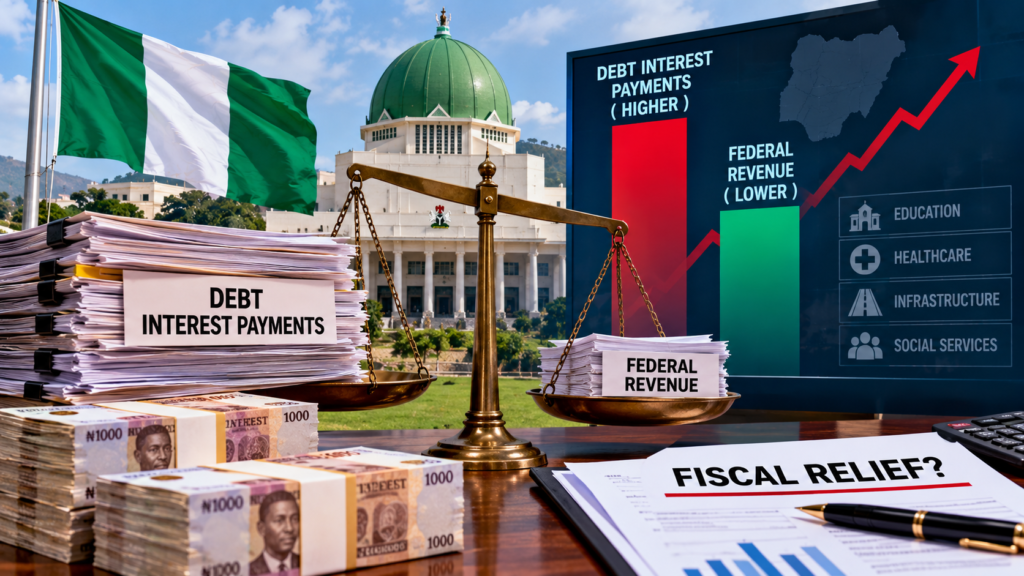
Nigerian financial documents and debt charts illustrating pressure from debt interest payments on federal revenue

Nigeria’s Debt Interest Bill Exceeded Federal Revenue. Where Is the Fiscal Relief?

Nigeria’s federal finances face a serious constraint: recorded interest payments reached ₦7.7 trillion in the first half of 2026, compared with federal revenue of ₦6.2 trillion. The figures put interest payments at approximately 124 per cent of recorded revenue. The Federal Ministry of Finance has challenged how the comparison is interpreted. It says the interest

Nigeria’s Debt Interest Bill Exceeded Federal Revenue. Where Is the Fiscal Relief? Read More »

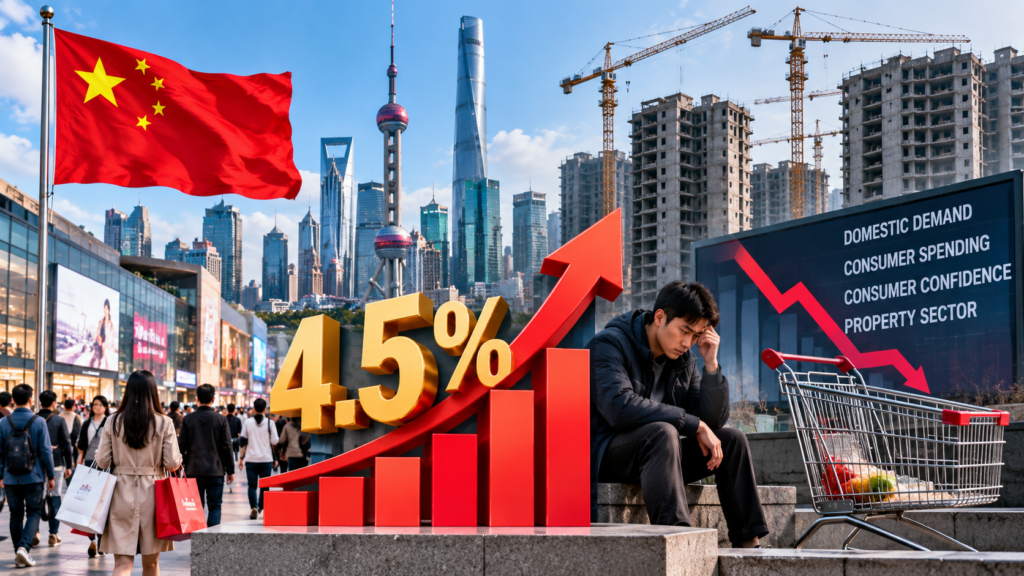
Chinese shopping district representing economic growth alongside concerns about domestic demand and consumer spending

China’s Economy Grows 4.5%. Why Are Domestic Demand Concerns Persisting?

China’s economy expanded by 4.5 per cent year-on-year in the third quarter of 2026, accelerating from 4.3 per cent in the previous quarter. Strong exports, particularly in higher-value manufacturing, helped support growth and kept the country on course to meet its annual target. Yet the headline figure does not tell the whole story. Domestic demand

China’s Economy Grows 4.5%. Why Are Domestic Demand Concerns Persisting? Read More »

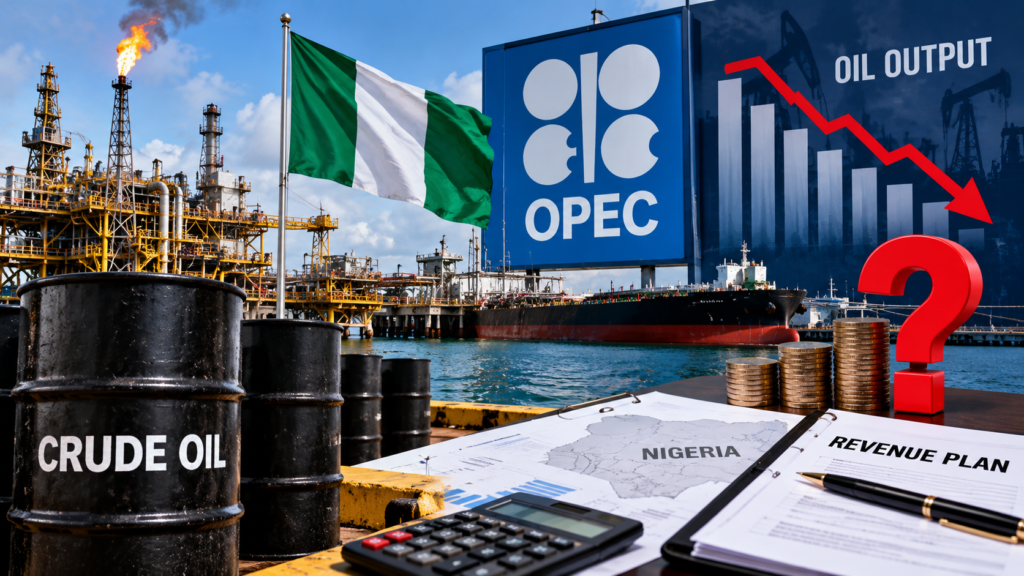
Nigerian oil production infrastructure representing OPEC quota compliance, falling oil output and questions about revenue planning

Nigeria Meets Its OPEC Quota, but Nine-Month Oil Output Still Fell. Where Is the Revenue Plan?

Nigeria’s improving monthly oil production figures deserve recognition, but they do not tell the whole story. The Nigerian Upstream Petroleum Regulatory Commission reported that the country produced an average of 1.53 million barrels of crude oil per day in September 2026, excluding condensates. That exceeded Nigeria’s Organisation of the Petroleum Exporting Countries quota of 1.5

Nigeria Meets Its OPEC Quota, but Nine-Month Oil Output Still Fell. Where Is the Revenue Plan? Read More »

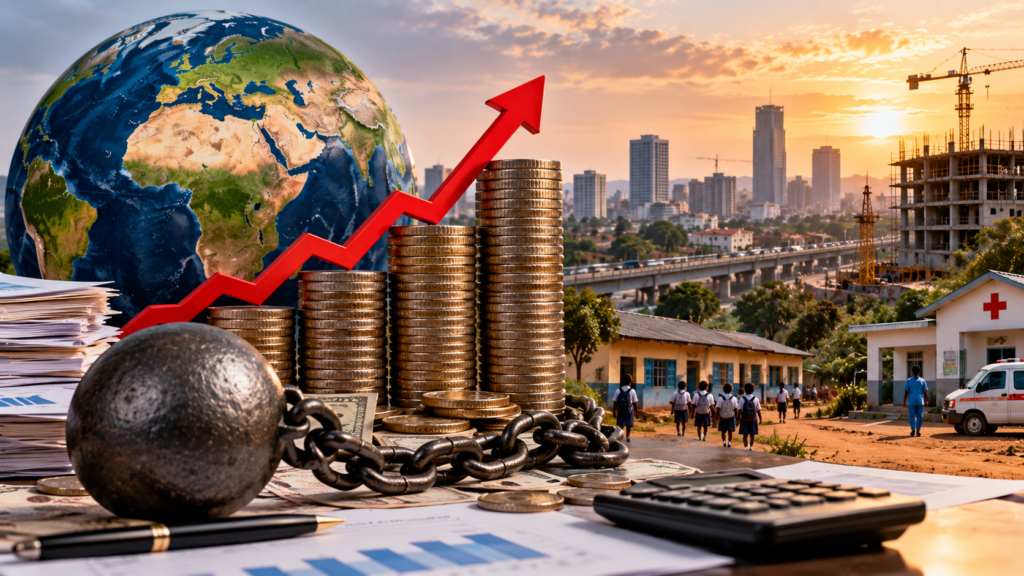
Government financial documents and calculator representing rising debt costs and pressure on developing economies

Global Debt Costs Are Rising. Developing Countries Cannot Afford to Ignore the Warning

The International Monetary Fund has warned that rising borrowing costs are placing additional pressure on developing economies, making it harder for governments to finance public services and respond to economic shocks. Speaking during the IMF and World Bank annual meetings in Bangkok on October 14, IMF Managing Director Kristalina Georgieva warned that higher benchmark yields

Global Debt Costs Are Rising. Developing Countries Cannot Afford to Ignore the Warning Read More »

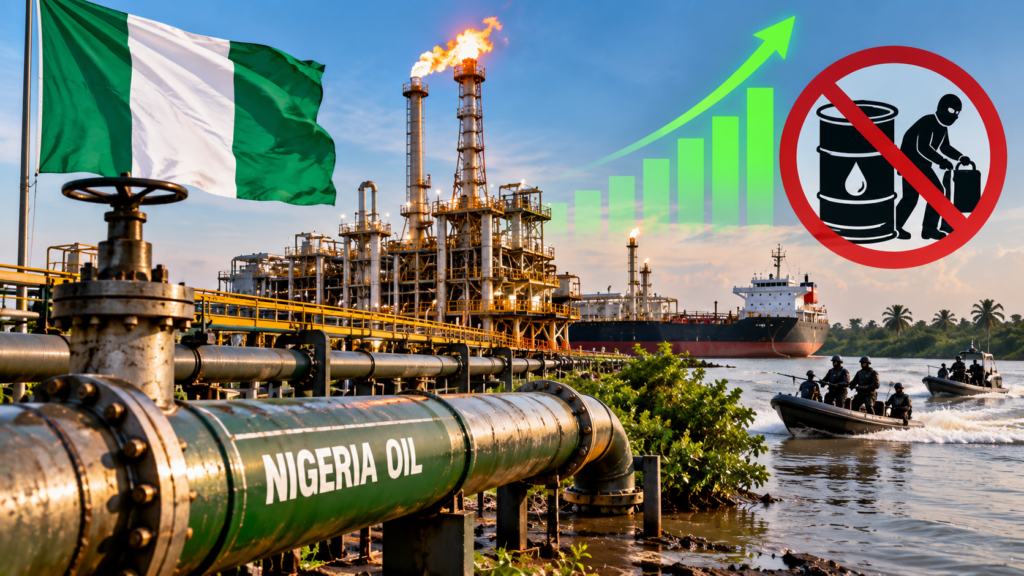
Oil production infrastructure in the Niger Delta representing Nigeria’s recovery as crude theft declines

Nigeria’s Oil Recovery Gains Momentum as Crude Theft Declines

Nigeria’s oil industry is recording signs of recovery as reduced crude oil theft contributes to improved production and stronger revenue prospects. The decline in oil theft has been linked to increased protection of pipelines and other oil infrastructure in the Niger Delta. Improved security around oil facilities is important because crude theft has historically reduced

Nigeria’s Oil Recovery Gains Momentum as Crude Theft Declines Read More »

Nigerian market with food items representing rising prices and poverty concerns highlighted by the IMF

INTERNATIONAL MONETARY FUND WARNS NIGERIA ON POVERTY AND HIGH PRICES

The International Monetary Fund has raised its growth forecast for Nigeria to 4.2 per cent for 2026 and projected 4.3 per cent for 2027. It also warned that rising prices for food and other essentials could push more Nigerians into poverty and deepen food insecurity. The Fund has called for temporary cash support for poor

INTERNATIONAL MONETARY FUND WARNS NIGERIA ON POVERTY AND HIGH PRICES Read More »

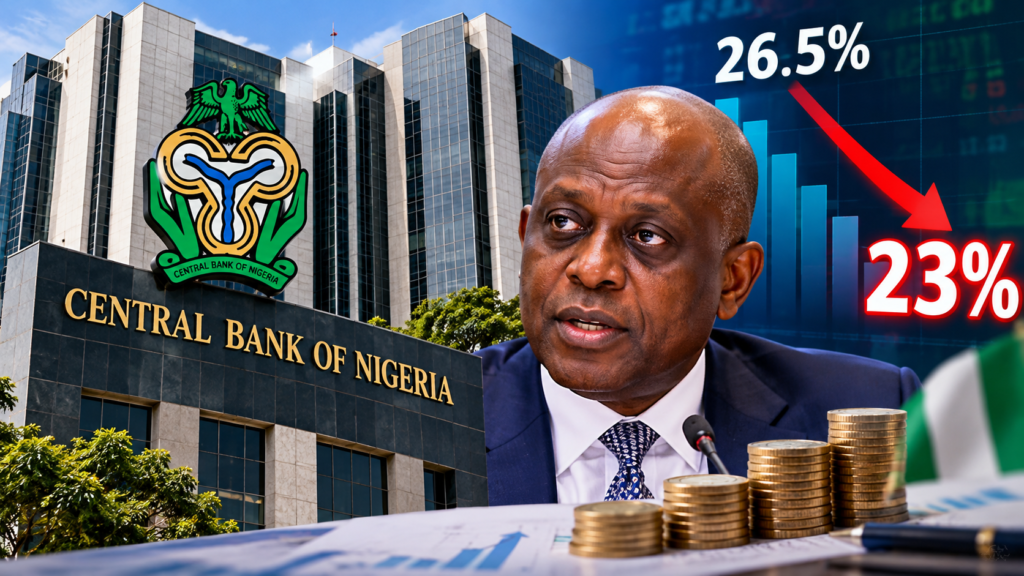
Central Bank of Nigeria cuts interest rate to 23 percent

CBN Cuts Interest Rate to 23%: What It Means for Nigerians

The Central Bank of Nigeria has reduced its Monetary Policy Rate from 26.5 percent to 23 percent, marking a significant change in the country’s monetary policy direction. The decision was taken at the September 21–22 meeting of the Monetary Policy Committee, as the Central Bank responded to improving inflation and broader economic conditions. The CBN

CBN Cuts Interest Rate to 23%: What It Means for Nigerians Read More »

Burkina Faso gold refinery inaugurated under Ibrahim Traoré

Burkina Faso’s Gold Refinery: Traoré’s Sovereignty Agenda Gets a Test Case

Burkina Faso has opened its first national gold refinery, giving Captain Ibrahim Traoré’s government a major new instrument in its campaign for greater control over the country’s natural resources. The refinery is designed to process gold domestically rather than leaving the country to export more of its mineral wealth in less processed form. The significance

Burkina Faso’s Gold Refinery: Traoré’s Sovereignty Agenda Gets a Test Case Read More »

Translate »
Scroll to Top