
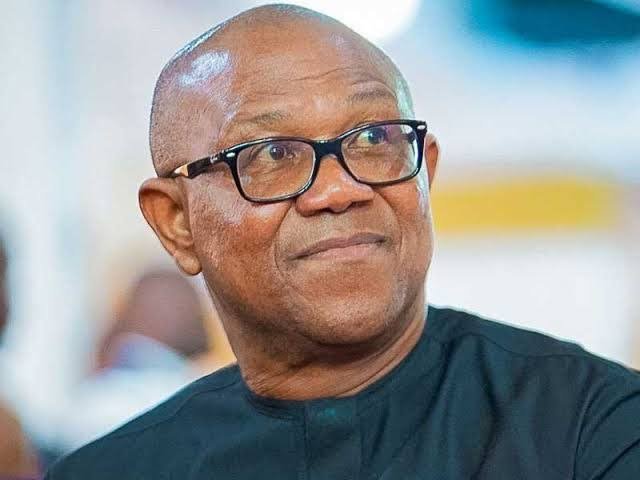
Peter Obi has again rejected claims that his administration left Anambra State with significant financial liabilities when he left office in 2014.
Obi says he did not borrow money or issue bonds during his eight years as governor and maintains that his administration left sufficient resources to settle legitimate outstanding obligations.
The issue has become part of a wider disagreement over the financial liabilities inherited by subsequent administrations in Anambra State.
But this is a matter that can be tested against documentary evidence rather than political arguments.
Loan agreements, audited financial statements, debt-service records, handover documents and records of outstanding liabilities can establish what the state owed and when those obligations were incurred.
That distinction is important because political claims about inherited debt can easily become competing narratives without the underlying figures being examined.
If the records support Obi’s position, they provide evidence of the financial position his administration left behind. If records show liabilities that contradict his account, those figures should also be made public.
The public interest is therefore not simply in who makes the stronger political argument.
It is in establishing, from verifiable financial records, what Anambra State owed when the administration changed hands and how those liabilities were subsequently managed.
We don’t just report the news. We analyse what it means.
By Viewers Corner News