
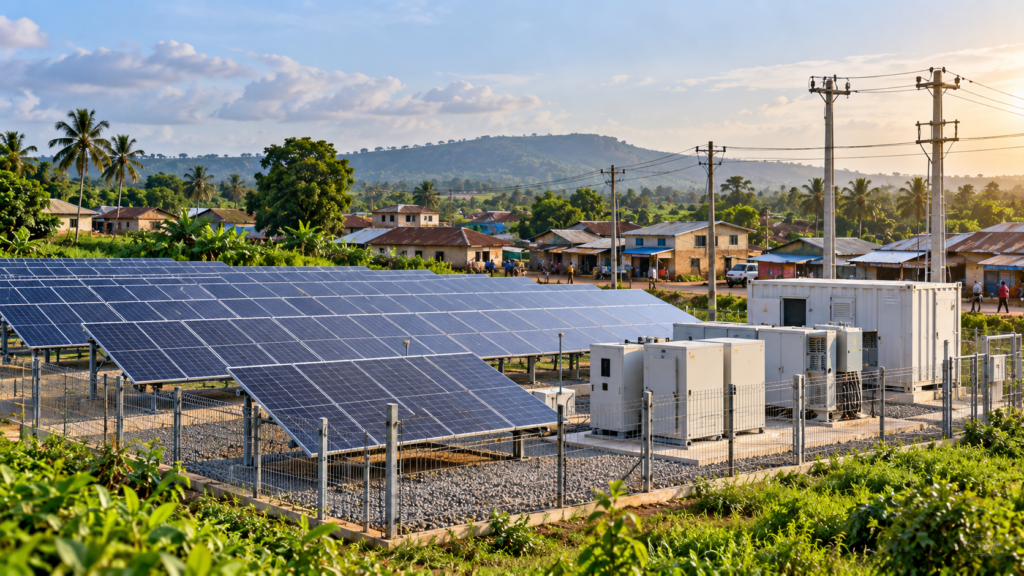
Nigeria has begun deploying a 300 million dollar Distributed Renewable Energy Fund aimed at expanding access to electricity through renewable energy projects.
The fund is expected to support projects such as mini-grids and standalone solar systems for communities and businesses that remain poorly served by the national electricity grid.
The initiative is significant because Nigeria’s electricity challenge is not only about generating more power. It is also about getting reliable electricity to homes, businesses, schools, health facilities and communities.
Distributed renewable energy can provide electricity closer to where it is needed and reduce dependence on petrol and diesel generators.
For small businesses, reliable electricity could reduce operating costs. For rural communities, it could improve access to basic services and economic opportunities.
But the fund will ultimately have to be judged by what it delivers on the ground.
How many projects will actually be financed? How many communities will receive electricity? What will consumers pay? And will the systems remain operational after the initial investment?
Nigeria has launched several electricity initiatives in the past.
The real significance of this fund will therefore be measured by the number of Nigerians who eventually receive reliable and affordable electricity as a result.
We don’t just report the news. We analyse what it means.
By Viewers Corner News