
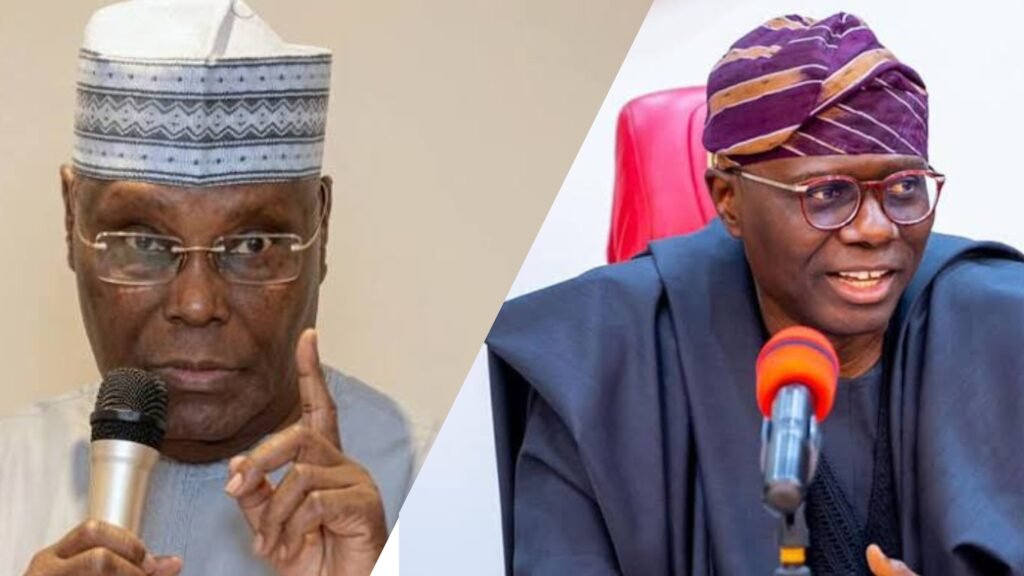
Nigeria’s fuel subsidy debate has returned to the centre of the 2027 political conversation, with former Vice President Atiku Abubakar calling for a change in policy and Lagos State Governor Babajide Sanwo-Olu strongly defending the subsidy removal.
Sanwo-Olu argues that returning to the old subsidy system would be financially unsustainable, while Atiku has maintained that Nigerians need relief from the economic pressure created by high fuel prices.
But the real issue is bigger than the argument between two politicians.
The subsidy debate is becoming a test of what Nigerians expect from the next government.
The Tinubu administration’s position has been that subsidy removal was necessary to protect government finances. Critics, however, argue that Nigerians have carried too much of the burden without seeing enough immediate benefit.
With the 2027 election approaching, fuel prices could therefore become one of the most important economic issues on the campaign trail.
For voters, the question should not simply be whether subsidy should return.
The more important question is: if a subsidy is restored, how will government prevent the waste and abuse associated with the previous system? And if it remains removed, what concrete measures will make energy more affordable for ordinary Nigerians?
The political arguments will continue, but Nigerians will ultimately judge the competing positions by one thing: whether their economic lives improve.
The fuel subsidy debate is therefore likely to remain a major 2027 election issue.
By Viewers Corner News