
Nigeria’s latest petrol-price intervention raises a basic question: how much relief will ordinary Nigerians actually receive, and what happens when it ends?
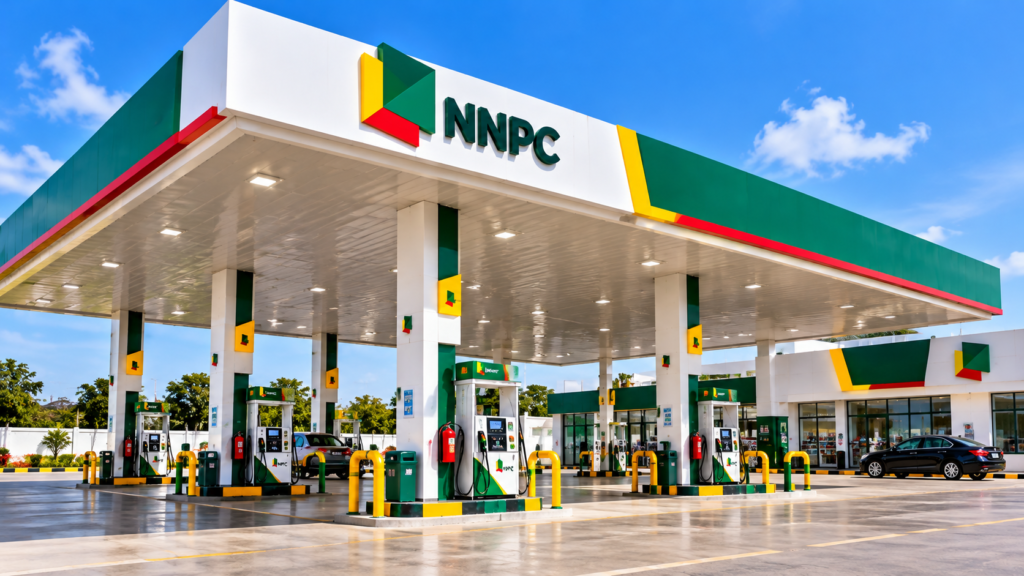
The Nigerian National Petroleum Company Limited has extended its ₦66-per-litre petrol discount at its retail outlets until October 31, 2026. Separately, the Federal Government has proposed a mechanism to limit petrol-cost volatility by requiring refiners and importers to absorb temporary increases and recover those costs when market conditions improve.
These are different measures. The discount applies to NNPC Retail outlets; it does not establish a uniform national pump price. The proposed cost cap is also not the same as a nationwide retail-price ceiling.
Access is another concern. Reports from Abuja indicated that customers paying directly at the pump could face the ordinary price unless they used the company’s mobile application to obtain the discount. NNPC must clearly explain the conditions and whether they apply consistently across its outlets.
A ₦66 reduction can help commuters and businesses, but temporary relief is not a substitute for a credible plan to address persistent fuel and transport costs.
The government says the discount does not restore the former fuel subsidy. That distinction should be supported by transparent figures showing the cost of the intervention, the revenue forgone and the arrangements for recovering costs under the proposed mechanism.
NNPC and the Finance Ministry should publish the eligibility rules, participating outlets, actual savings delivered and the precise status of the proposed cap.
The October 31 deadline also demands an answer: what happens when the discount expires?
Nigerians need predictable policy, not short-lived relief whose benefits and costs remain unclear.
By Viewers Corner News