
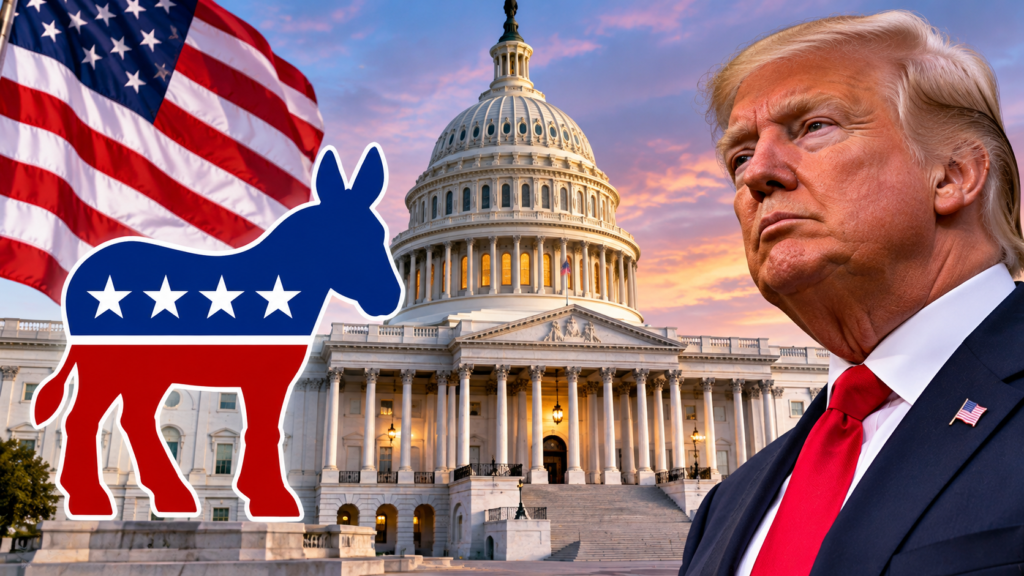
But the real significance of the result will not be measured only by how many seats changed hands.
It will be measured by whether the new congressional majority uses its constitutional powers to hold the administration accountable.
The November 3 midterm election delivered a decisive shift in congressional control.
Exit polling reported that 70 per cent of voters surveyed wanted Congress to provide stronger checks and balances on the president.
The economy, the cost of living and public dissatisfaction with the administration’s handling of the war against Iran were among the major issues shaping the result.
This creates an important responsibility for the incoming Congress.
Congress is not simply a political platform for the party that wins an election. It is a constitutional institution with powers to scrutinise executive decisions, examine public spending, investigate government conduct and demand explanations from public officials.
The incoming Democratic majority will have opportunities to use committee hearings, document requests, subpoenas, budget oversight and legislative scrutiny.
But what exactly will it investigate?
Will it examine the financial and operational costs of the war against Iran? Will it scrutinise tariff decisions and their consequences for American households and businesses? Will it examine the use of executive powers, public contracts, conflicts of interest and government spending?
These questions matter because an election victory does not automatically establish that wrongdoing has occurred.
Investigations must be based on evidence, not political hostility.
The new majority must resist the temptation to turn congressional oversight into a programme of revenge against political opponents.
If it promises accountability, it must publish a clear oversight agenda, identify the issues it intends to examine and explain how the public will see the findings.
It must also be prepared to scrutinise decisions made by members of its own party.
The Trump administration, in turn, must cooperate with lawful congressional oversight and provide information required by legitimate investigations.
There is an important timing issue.
The new Congress will not take office until January. Until then, the existing congressional structure remains in place.
That means the election has created a political mandate, but the full accountability process is still ahead.
For the rest of the world, the outcome matters because American congressional decisions can affect foreign policy, trade, military spending, sanctions, international aid and global economic confidence.
Nigeria and other countries with strong economic or security relationships with the United States will be watching how the new Congress approaches these issues.
The public has expressed a desire for stronger checks and balances.
Now the winning party must demonstrate that it understands the responsibility that comes with that mandate.
The question is no longer whether Democrats can win control of Congress.
It is whether they can use that control to demand transparency, expose wrongdoing where evidence supports it and improve government accountability.
A political victory is not accountability. What follows it must be.
We don’t just report the news. We analyse what it means.
By Viewers Corner News