
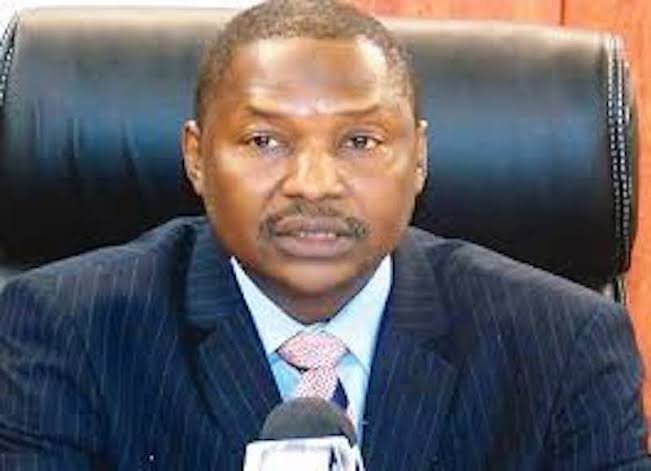
Reports concerning the alleged forfeiture of assets linked to former Attorney General and Minister of Justice, Abubakar Malami, have continued to generate widespread public debate, with many Nigerians describing corruption as one of the greatest obstacles to the country’s development.
Somehow, critics argue that if public funds are diverted through corruption, the consequences are felt by millions of ordinary Nigerians in the form of poor infrastructure, inadequate healthcare, weak educational systems and rising poverty. They believe that resources meant for national development should always be used for the benefit of the people.
Many Nigerians have also argued that any assets lawfully recovered from public officials accused or convicted of corruption should be transparently managed and redirected towards projects that improve the lives of citizens. They contend that investing such funds in education, healthcare, electricity, security and job creation would produce lasting economic benefits.
Critics further believe that Nigeria’s anti-corruption laws should be strengthened to deter the looting of public funds. They argue that anyone found guilty of corruption after due process should face penalties that reflect the seriousness of the offence and serve as a deterrent to others.
However, allegations of corruption or asset forfeiture should ultimately be determined through the judicial process, and every individual is entitled to the presumption of innocence unless and until a court reaches a final determination under the law.
As public debate over corruption continues, many Nigerians are calling for stronger institutions, transparent governance and consistent enforcement of anti-corruption laws, regardless of the status or political affiliation of those involved.
By Viewers Corner News