
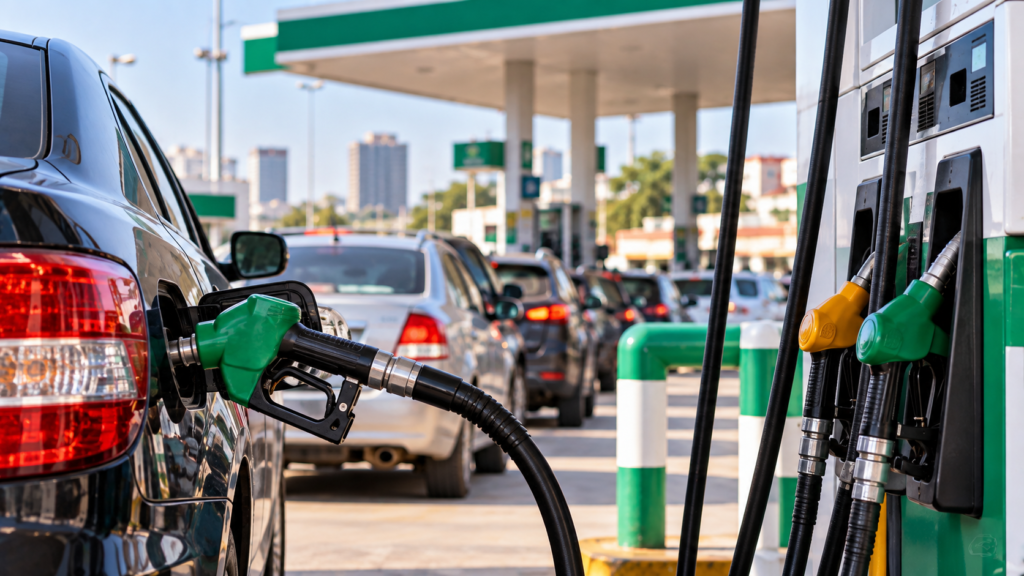
Nigeria’s fuel-price crisis is once again putting the government’s subsidy policy under political and economic pressure, as petrol prices rise to around 1,400 naira per litre in Lagos and Abuja and as high as 1,500 naira in parts of northern Nigeria.
The latest increase is being driven partly by higher international energy prices. Even with the Dangote refinery operating at full capacity, the cost of crude oil remains an important factor in determining the final price of petrol.
The development is significant because one of the central arguments behind the removal of the petrol subsidy was that government could redirect the money previously spent on subsidising fuel toward infrastructure and other public needs.
But for households, the immediate reality is different. Higher petrol prices feed into transportation, logistics, food distribution and the operating costs of businesses.
The pressure has now revived political arguments over whether some form of subsidy should return. Proposals being discussed include different subsidy structures and greater use of domestic refining rather than simply returning to the old system.
The difficult question is how any new intervention would be funded and whether it could lower prices without recreating the fiscal problems associated with the previous subsidy regime.
Nigeria therefore faces two competing pressures: protecting households from further cost increases while avoiding a policy that creates another major burden on public finances.
The next major test will be whether domestic refining capacity, monetary-policy changes and government interventions can collectively reduce the cost pressure Nigerians are experiencing.
We don’t just report the news. We analyse what it means.
By Viewers Corner News