
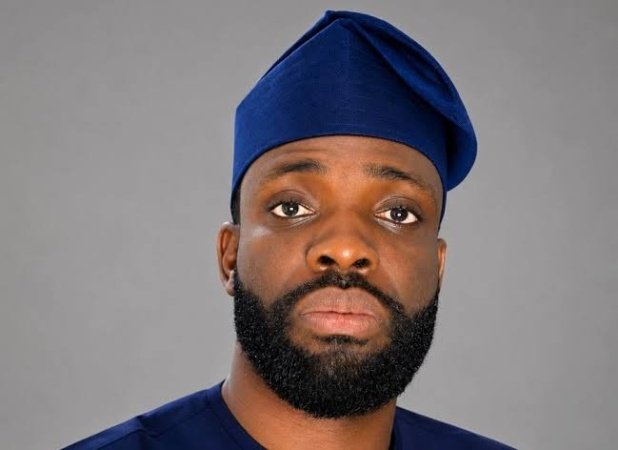
One person is dead. Three others are injured. A political candidate’s vehicle has reportedly been set ablaze. And instead of answers about how political violence was allowed to unfold, residents are now facing questions about restrictions on political gatherings.
The attack on the convoy of Rollins Offia-Nwali, a Nigeria Democratic Congress candidate contesting the Ezza South State Assembly seat, is not just another political incident to be condemned and forgotten.
It is a direct challenge to public safety, democratic participation and the responsibility of authorities to protect citizens.
According to the Ebonyi State Police Command, the attack occurred on 22 October in Amaezekwe community, Ezza South Local Government Area. One person died and three others sustained injuries.
Offia-Nwali alleged that suspected political thugs attacked his convoy and set his vehicle ablaze. However, the identity of those who organised or carried out the attack has not been conclusively established.
That is precisely why the police investigation must go beyond statements of condemnation.
WHO ATTACKED THE CONVOY, AND WHO WAS BEHIND IT?
The police must establish what happened, identify the attackers and investigate whether the violence was planned.
Have suspects been identified? Have arrests been made? Were witnesses interviewed? Has evidence been collected from the scene? Are investigators examining possible motives and whether the attack was politically organised?
If anyone sponsored, financed or coordinated the violence, that connection must be investigated and established through evidence.
The public deserves to know whether the attack was an isolated criminal incident or part of a wider attempt to intimidate political participants.
The police must also explain what protection arrangements were in place for the candidate and whether any prior security warnings were received.
A death and three injuries cannot be reduced to another police investigation announcement without visible progress.
WHY DID RESTRICTIONS ON POLITICAL GATHERINGS FOLLOW THE ATTACK?
The response by the Ezza South local government authorities raises another serious accountability question.
Reports indicate that the local government chairman, Chinedu Mkpuma, directed political gatherings to obtain prior approval from his office following the incident.
But where is the written directive?
What specific activities does it cover? Does it apply to rallies, campaign meetings, consultations and other political gatherings? What law empowers the chairman to impose this requirement? How long will it remain in force?
Who decides which gatherings receive approval, and what happens when an application is rejected?
These questions matter because a security crisis must not become an opportunity to restrict lawful political participation without clear legal authority.
SECURITY MUST NOT BECOME A TOOL FOR POLITICAL CONTROL.
If the authorities believe additional security measures are necessary, they must demonstrate that those measures are lawful, necessary and proportionate.
They must also apply equally to every political party and candidate.
The local government must not create a situation in which political groups need the discretion of a government official to exercise rights protected by law.
If prior approval is genuinely required under a valid legal provision, the authority should publish that provision, explain the procedure and provide safeguards against selective enforcement.
Peaceful political gatherings must not be treated as threats simply because violence has occurred elsewhere.
The responsibility of government is to protect democratic participation, not make it more difficult.
WHERE IS THE ACCOUNTABILITY FROM THE LOCAL AND STATE AUTHORITIES?
The Ebonyi State Government and Ezza South local government must explain what they are doing to prevent further violence.
What additional security measures have been introduced? Are political candidates and residents being given equal protection? What arrangements exist for reporting threats? How will authorities prevent intimidation and retaliatory attacks?
The government must also explain how the victims are being supported, including access to medical care and assistance for the family of the person who died.
Condemnation is not a security strategy. Restrictions are not a substitute for investigating those responsible.
TWO FAILURES MUST NOT BE ALLOWED TO HIDE BEHIND EACH OTHER.
The attack must be investigated. The restrictions must also be examined.
Authorities cannot focus public attention entirely on the new approval requirement while leaving unanswered questions about the people who carried out the violence.
Equally, the seriousness of the attack does not automatically make every restriction imposed afterwards lawful.
The police must publish credible investigation updates. The local government must release its written directive and legal justification. The state government must demonstrate that all political groups and residents are receiving equal protection.
There is currently no verified basis to accuse a particular political party or public official of organising the attack. Responsibility must be established through evidence, not political speculation.
But the absence of an established sponsor does not excuse an inadequate investigation.
WHO WILL ANSWER FOR THE DEATH, THE INJURIES AND THE RESTRICTIONS?
One person has lost their life. Three others have been injured. A political candidate has reported an attack on his convoy. Residents now need clarity about the rules governing their political gatherings.
The police must establish who carried out the attack and bring those responsible to justice. The local government must explain the legal basis for its restrictions. The state government must guarantee that peaceful political participation will not be selectively suppressed.
Ebonyi cannot claim to be protecting democracy if those who participate in politics fear attacks, while those who want to gather peacefully face unclear restrictions.
The government must protect citizens from political violence without turning the response to that violence into another threat to their democratic rights.
Nigerians deserve security, equal treatment and the freedom to participate peacefully in the political process.
We don’t just report the news. We analyse what it means.
By Viewers Corner News