
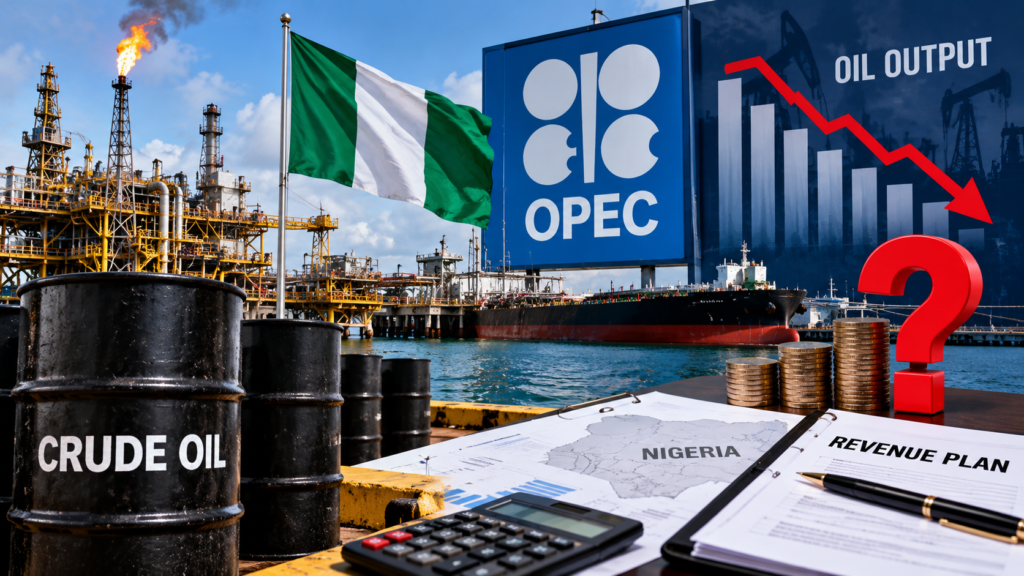
Nigeria’s improving monthly oil production figures deserve recognition, but they do not tell the whole story.
The Nigerian Upstream Petroleum Regulatory Commission reported that the country produced an average of 1.53 million barrels of crude oil per day in September 2026, excluding condensates. That exceeded Nigeria’s Organisation of the Petroleum Exporting Countries quota of 1.5 million barrels per day for the fifth consecutive month.
Yet Nigeria’s total production of crude oil and condensate between January and September was approximately 450.17 million barrels, down from 457.65 million barrels during the same period in 2025. That represents a decline of 7.48 million barrels, or about 1.63 per cent.
The figures measure different things. Meeting a monthly crude-oil quota does not automatically mean that total production is growing year-on-year or that government revenue targets have been met.
For a country that relies heavily on petroleum revenue, sustained production matters for foreign exchange, public spending and fiscal stability. A monthly improvement is encouraging, but the government must demonstrate that the recovery can be maintained.
The Nigerian Upstream Petroleum Regulatory Commission, the Nigerian National Petroleum Company Limited and the Finance Ministry should publish a clear account of production against targets, including the causes of shortfalls, operational disruptions, evacuation constraints and the resulting revenue implications.
They should also distinguish crude oil from condensates when presenting performance figures, so the public can compare like with like.
The question is not whether Nigeria can meet its OPEC quota in individual months. It is whether the country can consistently produce, account for and earn revenue from the oil volumes assumed in its financial plans.
The next production reports should show whether the improvement is becoming a sustained trend rather than a temporary recovery.
We don’t just report the news. We analyse what it means.
By Viewers Corner News