
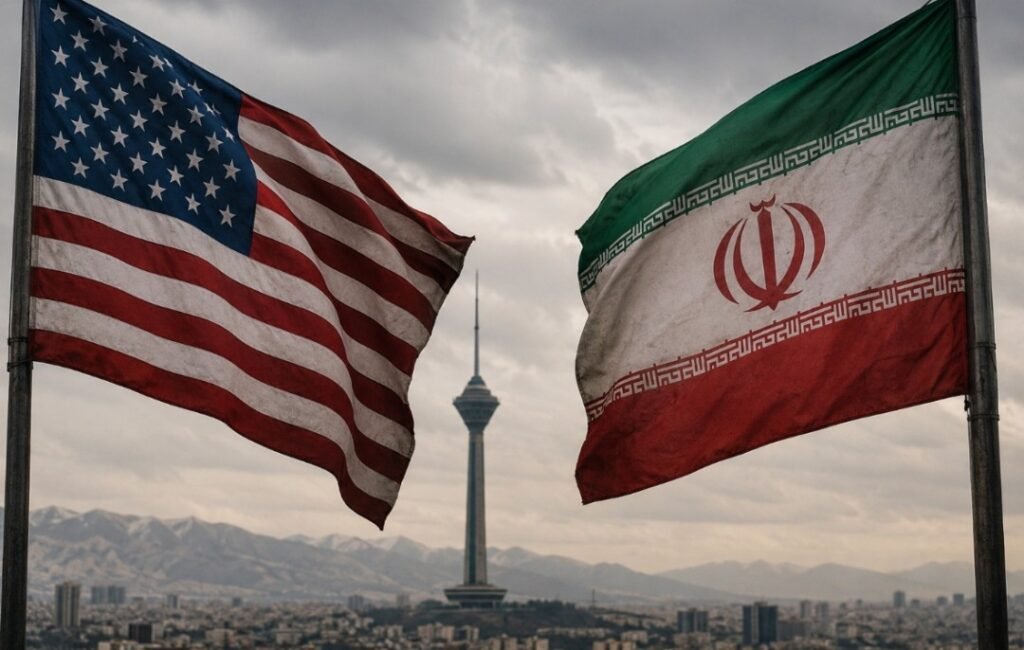
Recent military exchanges between the United States and Iran have once again demonstrated how fragile peace efforts in the Middle East remain. Despite ongoing negotiations and repeated assurances that both sides are interested in reaching an agreement, military actions continue to occur, raising questions about whether a lasting settlement is truly within reach.
Reports indicate that the United States carried out strikes on Iranian military facilities, while Iran responded by targeting locations linked to American interests in the region. At the same time, countries such as Kuwait have expressed concern over missile and drone activities, warning that continued escalation could threaten regional stability.
One of the most important issues at the center of the dispute remains the Strait of Hormuz, a strategic waterway through which a significant portion of the world’s oil and gas supplies pass. Any disruption to activities in the area has the potential to affect global energy markets, increase fuel prices, and place additional pressure on economies already facing challenges.
The latest developments also reveal a recurring problem in international diplomacy. While negotiations continue behind closed doors, both sides continue to accuse each other of changing positions and introducing new demands. Such disagreements make it increasingly difficult to build the trust required for a comprehensive peace agreement.
Beyond the military and political aspects, ordinary people across the region continue to bear the consequences of prolonged tensions. Businesses, investors, and families are left uncertain about what the future holds whenever fresh confrontations emerge.
The situation serves as a reminder that ceasefires alone do not guarantee peace. Genuine progress requires compromise, consistency, and a willingness by all parties to place long-term stability above short-term political or military objectives. Until a comprehensive agreement is reached, the risk of further escalation will remain a major concern for the Middle East and the wider international community.
By Viewers Corner News