
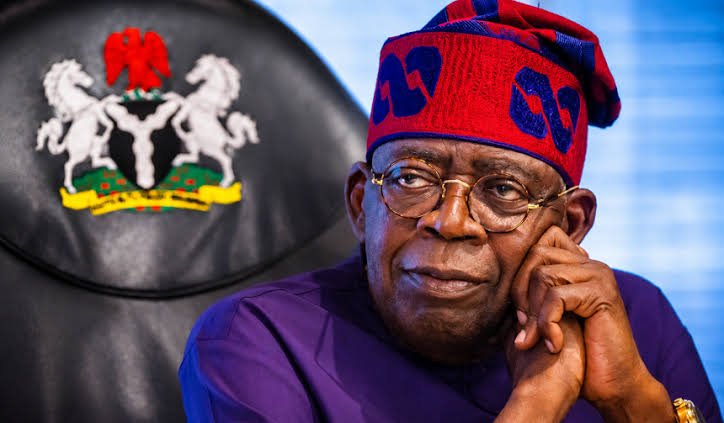
President Bola Ahmed Tinubu will not physically attend the 81st Session of the United Nations General Assembly in New York, with Vice President Kashim Shettima leading Nigeria’s delegation.
The decision means the President will miss the United Nations General Assembly for the third consecutive year since assuming office.
Vice President Kashim Shettima is expected to represent Nigeria during the high-level meetings and deliver the country’s national statement.
The Nigerian delegation also includes senior government officials and state governors.
The United Nations General Assembly’s high-level General Debate begins on September 22 and continues through September 28, 2026.
The theme for this year’s General Debate is “Restoring trust, managing transformation: A United Nations that delivers for all.”
Tinubu’s absence is politically and diplomatically significant because the United Nations General Assembly provides national leaders with an important platform for direct engagement with other governments, international organisations, investors and global institutions.
However, Nigeria’s physical representation at the meeting has not been cancelled.
The Vice President is leading the country’s delegation, meaning Nigeria will still participate in the high-level discussions.
The Presidency has also rejected suggestions that the President’s absence is connected to restrictions on his ability to travel to the United States.
That distinction is important.
Rather than speculate about the President’s motives, the focus should be on what Nigeria’s delegation achieves during the meeting.
Nigeria has several interests that can be advanced through international diplomacy.
These include economic partnerships, investment, development financing, climate-related funding, security cooperation, international trade and reform of global financial institutions.
The Nigerian government has also been pursuing economic diplomacy as part of its wider strategy to attract investment and strengthen international partnerships.
The effectiveness of this year’s participation will therefore be measured less by who physically occupies Nigeria’s seat at the General Assembly and more by what the delegation is able to accomplish.
Will Nigeria secure meaningful agreements?
Will the government attract additional investment?
Will its positions on international financial reform gain support?
Will diplomatic engagements produce practical benefits?
And will those benefits eventually reach the Nigerian economy?
These are more substantive questions than simply whether the President attended the meeting.
At the same time, presidential attendance remains symbolically important.
The repeated absence of the President from the world’s largest annual gathering of national leaders naturally attracts public attention and political debate.
But public discussion should distinguish between the documented fact of his absence and claims about why he chose not to attend.
What is established is that President Bola Ahmed Tinubu will remain away from the General Assembly and has delegated representation to Vice President Kashim Shettima.
What this reveals is that diplomatic influence is not determined solely by presidential attendance.
A strong delegation can still pursue national interests.
But the quality of those engagements and their eventual outcomes will provide the more meaningful measure.
What to watch next is Vice President Kashim Shettima’s national statement, Nigeria’s bilateral meetings, new agreements or partnerships announced during the General Assembly and whether the government’s economic and diplomatic objectives produce measurable results.
The international platform is now available.
The real question is what Nigeria brings home from it.
By Viewers Corner News