
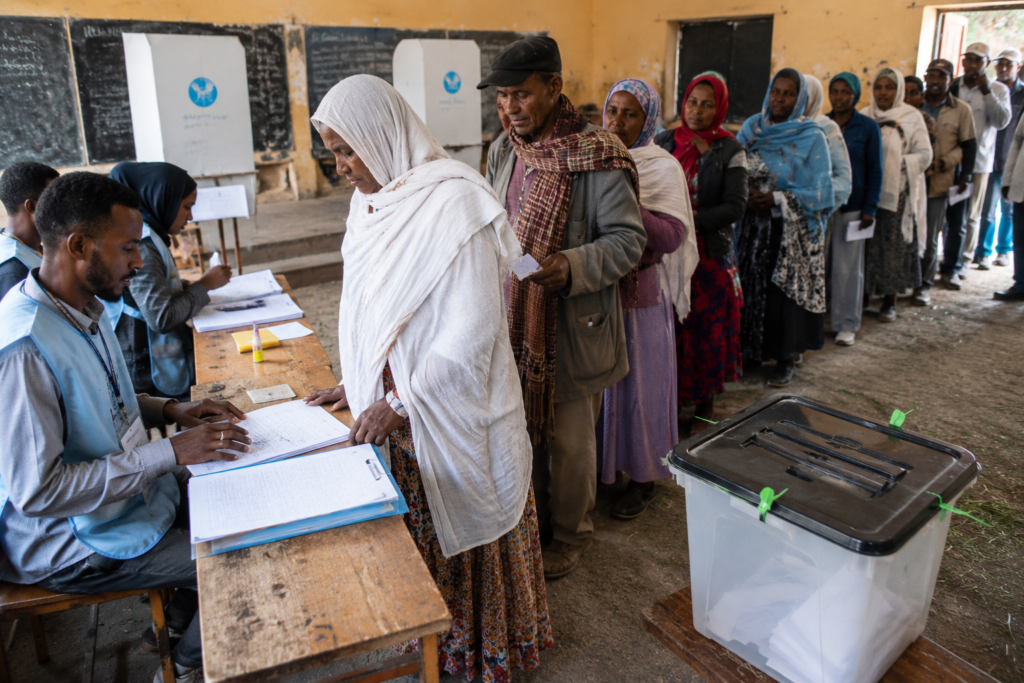
As Ethiopians head to the polls, the election is drawing attention not only because of who may emerge victorious, but also because of the significant challenges facing democracy in one of Africa’s most important nations.
While the government has expressed confidence in the electoral process, the inability of millions of citizens in conflict-affected areas to participate has raised concerns about inclusiveness and national representation. Entire regions affected by insecurity and political tensions have been excluded from voting, highlighting the difficulties of conducting elections during periods of instability.
The election also reflects the broader struggle between political reform, national unity, and security concerns. Prime Minister Abiy Ahmed came to power with promises of democratic change and political openness, earning international recognition for his early reforms. However, years later, his administration faces criticism from opposition groups, human rights advocates, and media organizations over issues relating to political freedoms, conflict, and governance.
Supporters of the government point to economic reforms, infrastructure development, and efforts to modernize the country as evidence of progress. Critics, however, argue that ongoing conflicts and restrictions on political space have weakened public confidence in democratic institutions.
Another major concern is the continuing instability in parts of the country. Violence in several regions has resulted in loss of life, displacement of communities, and growing uncertainty about Ethiopia’s future. Political disagreements in Tigray and tensions involving neighboring Eritrea have further increased concerns about long-term stability.
The situation demonstrates that elections alone cannot guarantee democracy. Strong institutions, political inclusion, respect for differing opinions, and lasting peace are equally important for building public trust in the democratic process.
As Africa’s second most populous nation, Ethiopia’s political direction matters not only to its citizens but also to the wider region. The outcome of the election may determine the country’s immediate political future, but the larger challenge remains how to achieve national unity, sustainable development, and lasting peace in a deeply divided environment.
Ultimately, Ethiopia’s election serves as a reminder that democracy is not measured only by the act of voting, but also by the ability of all citizens to participate freely, safely, and equally in shaping their nation’s future.
By Viewers Corner News