
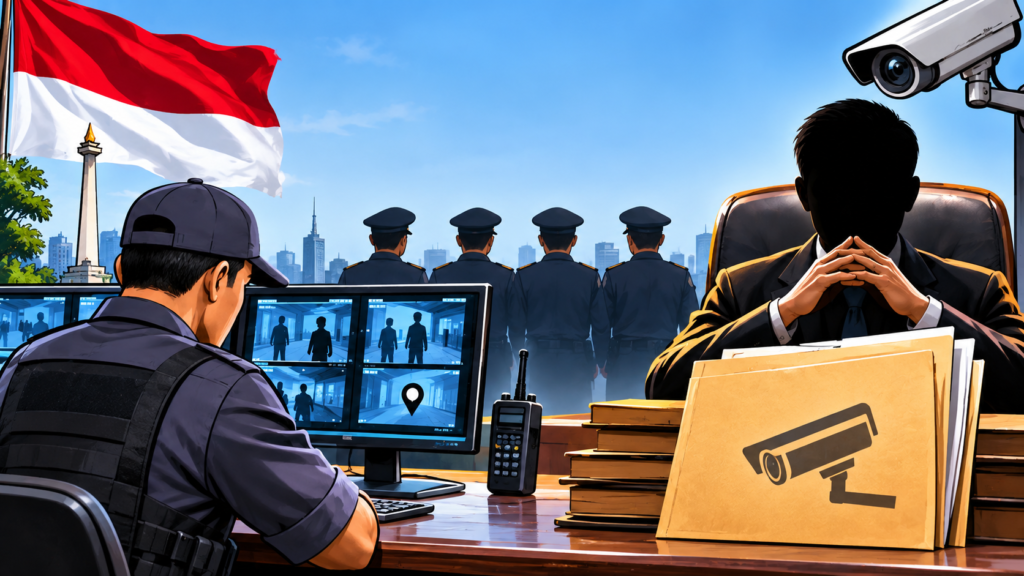
Indonesia’s police surveillance scandal has become a test of whether a powerful security institution can investigate its own alleged abuses without protecting senior officials.
The public is entitled to know who ordered the surveillance, who received the intercepted information and who authorised the alleged deletion of recordings.
Four police personnel were initially identified as suspects. But subsequent parliamentary questioning has widened the investigation towards senior police officials and a much broader network of alleged surveillance targets.
The alleged targets included President Prabowo Subianto, government officials, lawmakers, political figures, journalists, activists, students and businesspeople. This is an extraordinary list.
If the allegations are established, the matter goes far beyond misconduct by individual officers. It raises questions about whether police powers and surveillance equipment were used outside lawful authority and whether information gathered was made available to people who had no legitimate right to receive it.
The police chief’s November 12 appearance before the Indonesian House of Representatives has made the investigation even more consequential.
Parliament was told that the alleged surveillance extended across several categories of public figures and institutions.
The investigation has also raised questions about recordings of the president’s telephone conversations that were allegedly deleted after a request for permission was made to a senior officer.
Who requested the deletion?
Who approved it?
What was the legal basis for deleting material that could constitute evidence in a serious investigation?
Were copies made before deletion? Can forensic investigators recover the recordings? Who accessed them before they disappeared?
These questions must not be buried beneath statements promising an objective investigation.
There is a serious institutional conflict that Indonesia must address.
The police are investigating allegations involving members of their own organisation, including senior personnel. That creates an obvious need for independent oversight.
Can investigators pursue evidence involving former senior police leadership without interference?
Will the investigation examine the full command structure, including those who may have authorised the operation?
Will the authorities publish a clear record of the surveillance authorisations, equipment used, access logs and communications between the officers involved?
The Indonesian Parliament must demand more than assurances from the police leadership.
It must establish whether surveillance operations were legally authorised, whether private communications were unlawfully accessed and whether any public official or private individual benefited from the information obtained.
The government must also explain what protection exists for journalists, activists, political opponents and ordinary citizens whose communications may have been intercepted.
The police cannot be allowed to determine the boundaries of their own powers without effective independent scrutiny.
We must also distinguish allegations from proven guilt. The suspects are entitled to due process, and the people identified as alleged surveillance targets must not be treated as participants in wrongdoing merely because their names appeared in the investigation.
But due process cannot become an excuse for institutional secrecy.
The authorities must preserve all electronic evidence, publish the legal basis for the investigation and identify the officials responsible for every stage of the alleged operation.
If senior officers gave unlawful instructions, they must face the same legal scrutiny as the personnel who carried them out.
If recordings were deliberately destroyed to conceal evidence, that allegation must be independently investigated.
Four suspects cannot become the convenient endpoint of an investigation into a potentially much wider abuse of police authority.
Indonesia’s government must establish who ordered the operation, who received the information, who authorised the deletion of recordings and who will be held accountable.
The public does not need another promise of transparency. It needs evidence that the investigation is reaching those with the greatest responsibility.
By Viewers Corner News.