
China’s growing diplomatic engagement in the Gulf is becoming increasingly important as tensions involving the United States and Iran continue to raise concerns about the security of the Strait of Hormuz.
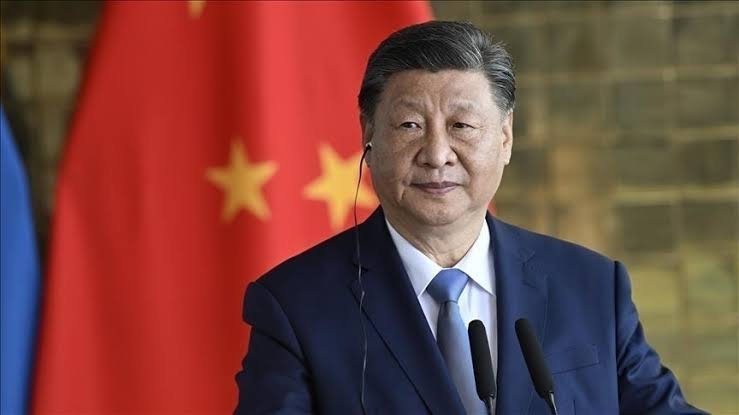
On November 2, Chinese President Xi Jinping met Oman’s Sultan Haitham. Their joint statement addressed safe navigation through the Strait of Hormuz and called for diplomacy between Washington and Tehran. China was also expected to send an envoy to Iran, Oman and Saudi Arabia during November.
The meeting is significant because the Strait of Hormuz is not simply a regional shipping route. It is one of the world’s most strategically important energy corridors. Disruption there could affect oil and gas supplies, shipping costs, insurance premiums and energy prices across the global economy.
For countries such as Nigeria, developments in the Gulf can have consequences even when the conflict is thousands of kilometres away.
Higher international energy prices can affect transport, food distribution, production costs and the cost of living. Nigeria may benefit from higher crude export earnings in some circumstances, but those gains do not automatically translate into lower domestic fuel prices or improved living conditions.
That is why the diplomatic developments deserve more than routine coverage.
China has considerable economic interests in the Gulf. It is a major energy consumer and has built extensive commercial relationships across the region. Its call for safe navigation and dialogue therefore reflects both a diplomatic position and its interest in protecting trade and energy flows.
Oman also occupies an important diplomatic position. It has historically played a role in facilitating communication between parties that do not always engage directly.
But the central question is whether diplomatic statements can produce practical results.
Can China persuade the parties to reduce tensions? Does Beijing have sufficient influence over Washington and Tehran to support meaningful negotiations? What role will Oman play in facilitating discussions? And what concrete steps are being proposed to protect commercial shipping?
The public needs to distinguish between diplomatic activity and an actual reduction in risk.
A joint statement calling for safe navigation is not a security guarantee. An announced diplomatic visit is not proof that negotiations will succeed. The test is whether the engagement produces agreements, sustained communication and measures that reduce the possibility of confrontation.
There are also questions about the interests behind the diplomacy.
China wants reliable access to energy and trade routes. Gulf countries want security and economic stability. Iran has its own strategic and security priorities, while the United States maintains significant regional interests and security commitments.
Any diplomatic arrangement must therefore confront competing interests rather than rely on general appeals for peace.
For Nigeria, the Federal Government should not treat the situation as a distant foreign-policy issue. The country needs to understand how a prolonged disruption in the Strait of Hormuz could affect oil markets, shipping costs, inflation and domestic energy prices.
The Ministry of Finance, the Ministry of Petroleum Resources and relevant economic agencies should be prepared to explain the possible implications for Nigeria’s revenue and households.
If higher global oil prices increase government earnings, where will the additional revenue go? Will it improve public services and infrastructure, or will Nigerians continue to face high living costs without seeing meaningful benefits?
If energy prices rise, what measures will protect households and businesses from further pressure? How exposed is Nigeria’s domestic supply chain to international shipping and insurance costs?
These are questions that should form part of Nigeria’s economic planning, not merely reactions after prices have already changed.
The international community must also be clear about the principle at stake: commercial shipping routes should not become instruments of coercion or targets in wider geopolitical disputes. At the same time, calls for safe navigation must be accompanied by serious diplomacy addressing the causes of tension.
China’s engagement with Oman may create an opportunity. But the success of that engagement should be judged by outcomes, not photographs of diplomatic meetings or carefully worded statements.
The Strait of Hormuz matters to the world economy. China, Oman, Iran and the United States must show whether their diplomacy can protect that route from becoming another flashpoint while Nigeria must prepare for the economic consequences if they fail.
We don’t just report the news. We analyse what it means.
By Viewers Corner News