
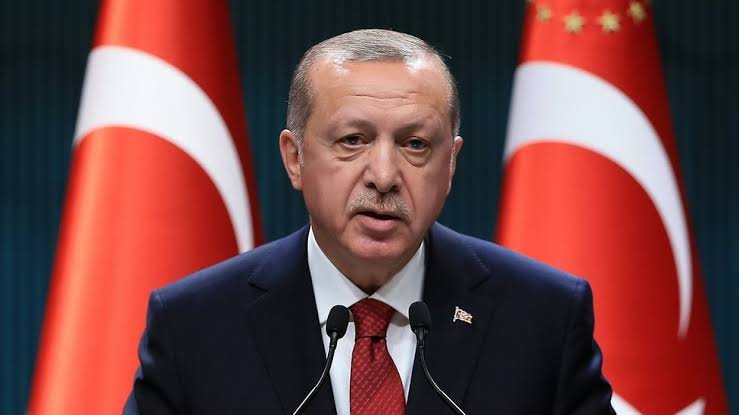
The dramatic police intervention at the headquarters of Turkey’s main opposition party has exposed growing tensions inside the country’s political system and raised new international concerns about the future of Turkish democracy.
At the centre of the crisis is the Republican People’s Party, known as the CHP, which is Turkey’s largest opposition movement. The decision by a Turkish court to remove opposition leader Ozgur Ozel and reinstate former leader Kemal Kilicdaroglu has triggered a political confrontation that many analysts now view as far bigger than an internal party dispute.
For critics of President Recep Tayyip Erdogan’s government, the situation reflects what they describe as a steady weakening of democratic institutions in Turkey. The use of riot police, tear gas, and forced entry into an opposition headquarters creates the image of a political system becoming increasingly intolerant of internal resistance and opposition mobilization.
One major issue making the situation more sensitive is timing. Turkey is approaching a critical political period where discussions about future elections, constitutional limits, and President Erdogan’s political future are becoming more intense. Erdogan has already ruled Turkey for more than two decades, and any path toward extending that dominance is likely to attract both domestic and international scrutiny.
The opposition leadership under Ozgur Ozel described the court ruling as a “judicial coup,” a phrase that carries serious political implications. Whether or not that accusation is justified, it highlights growing mistrust among opposition supporters toward Turkey’s judicial system and its perceived independence.
Another important detail is the reaction of financial markets. Reports that Turkish markets dropped sharply after the court ruling show that investors are paying close attention to political stability inside Turkey. International markets generally dislike uncertainty, especially in countries already dealing with inflation, economic pressure, and political polarization.
The crisis also exposes deeper divisions inside the opposition itself. The reinstatement of Kemal Kilicdaroglu, who previously lost a presidential election to Erdogan, has sparked anger among younger opposition supporters who believe the party should move toward a new political generation and stronger resistance strategies.
At the same time, the government continues to reject accusations that the judiciary is being used against political rivals, insisting that Turkish courts operate independently. Supporters of the government may argue that legal procedures must be respected regardless of political consequences.
However, images of police forcing their way into an opposition headquarters are likely to damage Turkey’s democratic image internationally, especially within NATO and among Western allies who already have concerns about civil liberties and political freedoms in the country.
Perhaps the biggest question now is whether this crisis strengthens or weakens the Turkish opposition. In some political systems, pressure from authorities can divide opposition groups. In others, it can unite supporters and increase public sympathy.
What is becoming increasingly clear is that Turkey’s political future is entering a more volatile phase where the struggle is no longer only about elections, but also about the credibility of democratic institutions, judicial independence, and the balance between state power and political opposition.
By Viewers Corner News