
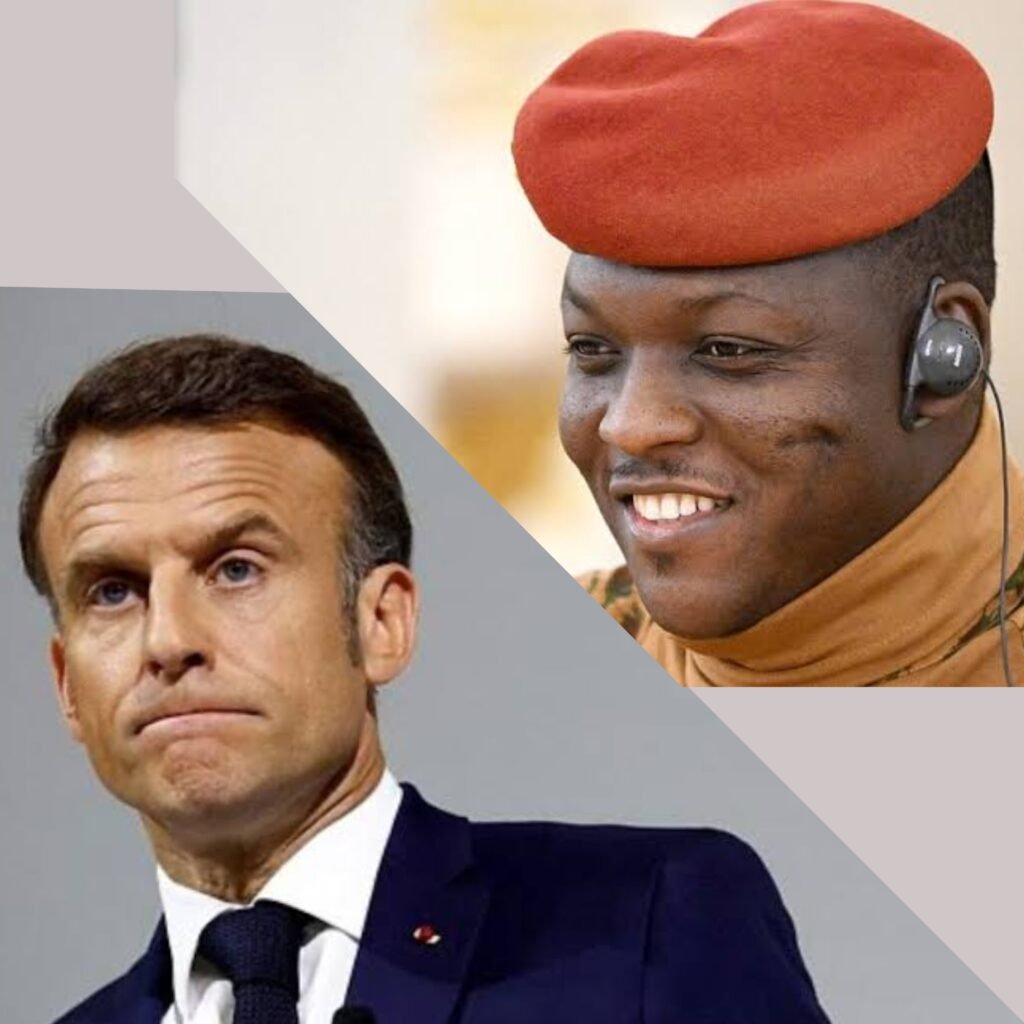
Recent discussions have raised serious questions about foreign influence in African politics, particularly in relation to Ibrahim Traoré and the leadership of Burkina Faso.
Some commentators and observers have expressed concern over speculation that external powers, including France, may seek to influence political outcomes in African countries. While such claims require clear evidence and verification, they reflect a broader and growing sentiment across the continent about sovereignty and control.
For many Africans, the central issue is no longer about any single country, but about a long history of external influence in the political and economic affairs of African nations. This history continues to shape how current events are interpreted.
There is also a strong and emerging belief that Africa is changing. Many citizens now see a new generation of leaders as more aware, more independent, and less willing to accept external pressure or control. This shift is influencing public expectations and political discourse across the continent.
At the same time, it is widely argued that cooperation between Africa and global powers should be based on mutual respect, fairness, and transparency. Diplomacy, not confrontation, is seen as the most effective path forward for building long term partnerships.
Calls are growing for all international actors to engage with African nations in a way that respects their sovereignty and supports their development goals. Any approach perceived as interference or destabilisation risks damaging relationships and undermining trust.
As Africa continues to evolve, the emphasis is increasingly on self determination, accountability, and balanced international engagement. The future of these relationships will likely depend on how well these principles are respected by all sides.
By Viewers Corner News