
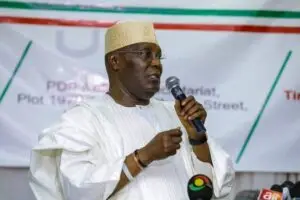
Some Nigerians have argued that former Vice President Atiku Abubakar’s role in Nigeria’s privatisation programme during the administration of former President Olusegun Obasanjo should remain a major issue in assessing his suitability for the country’s highest office.
Somehow, critics of the former vice president have continued to question aspects of the privatisation process carried out during that period, alleging that it lacked transparency and did not deliver the expected benefits to the Nigerian economy. They believe the programme contributed to the transfer of valuable national assets under circumstances that remain controversial.
Supporters of Mr. Atiku Abubakar have consistently denied allegations of wrongdoing and maintain that no court has found him guilty of corruption in relation to the privatisation exercise. They argue that the programme formed part of broader economic reforms undertaken by the government at the time.
Some Nigerians have also expressed differing opinions on the issue of zoning, with some insisting that, based on the existing political understanding between the North and the South, the presidency should remain in the South after the North completed two consecutive terms. Others argue that every qualified Nigerian has a constitutional right to contest for the presidency regardless of region.
Critics of Mr. Atiku Abubakar believe his decision to continue seeking the presidency despite the zoning debate has generated political controversy ahead of the 2027 general election. However, his supporters maintain that the electorate should decide who becomes president through a free and fair election.
As political activities intensify, many Nigerians continue to debate issues of zoning, leadership, accountability and past public service records as they evaluate those seeking the nation’s highest office.
By Viewers Corner News